As leaders, we have a responsibility to restore hope and shared purpose in societies that feel increasingly fractured. Technology, deployed thoughtfully, is one of the most powerful amplifiers of human potential we have. David works as a writer, practitioner, trustee, and leader, to ensure communities benefit from technology, not get left further behind by it.
David has over 25 years' experience leading enterprise technology and transformation programmes inside some of the UK's largest and most complex organisations — with a proud track record of world-first technology innovations.
At WPP, he built WPP Open, a £250m agentic AI platform spanning the group's technology stack. At Heathrow, Arup, BSI, and the BBC, he led live service & transformational change delivery across infrastructure, platforms, and products.
He is professionally qualified in both IT (CITP, BCS) and Finance (ACA, ICAEW) — a combination that shapes how he works: technology strategy that survives contact with a finance director, and investment cases that survive contact with reality.
Beyond the day job, David has served as an NGO board trustee for over a decade, sits on the AIGAS (AI Governance Standards) board, and is engaged with the London Business School in research on the intersection of AI strategy and organisational change. His academic work has been broadly cited for over 20 years, most recently by the Tony Blair Institute and Pender Fund in their analysis of AI adoption.
He now works as a Fractional CIO and AI Transformation Director — bringing enterprise-grade technology and AI leadership to organisations that don't need, or can't yet justify, a full-time C-suite hire.








David has been writing about technology since before most people had broadband. Two published books. A monthly newsletter with 700+ subscribers. Press citations across four continents. And a body of thought leadership that refuses to stay in one lane.
The Intranet Portal Guide (Mercury, 2005) was a practical handbook on delivering enterprise technology — with the street-smarts courses don't teach. One component escaped its covers and took on a life of its own: the J-Curve of Change, cited by practitioners for over twenty years. Get to the Top on Google (Nicholas Brealey, 2008) captured the dark arts of SEO. A third book is currently in progress — empirical research into what change interventions actually work, and why.
Catalyst is David's monthly LinkedIn newsletter on emerging themes in enterprise AI — 700+ subscribers including CIOs, board members, investors, and policy makers. His Musings blog covers change management, agile, and AI strategy — including the original J-Curve essays that have been cited across industries for two decades. His off-topic writing explores the stranger edges of AI: consciousness, hallucination as imagination, and the Zero Clicks future of the web.
David is available for expert commentary on AI governance, responsible transformation, digital leadership, and the human cost of getting AI wrong. He has been quoted across the tech press — Computer Weekly and TechTarget — the news media — American Business Journals and Money.it — and specialist publications including Grit Daily, Boss Today, and Reworked. For press enquiries, his full journalist profile is on Muck Rack and for an opinion or quote, use Connectively.
David's research and practitioner-scholarship are not side projects. They are the reason the client work stays sharp — and the reason the writing stays honest. He works at the intersection of enterprise practice and academic rigour, and has done for over twenty years.
David runs a continuous programme of AI product evaluation — models, agents, tools, and platforms — building with them, not merely reviewing them. He also serves on the AIGAS (AI Governance Standards) board, working on the practical translation of ISO 42001, the EU AI Act, and the NIST AI RMF in the UK accounting sector. This work directly informs his MASTER-AI™ framework for responsible AI adoption.
David collaborates with London Business School on the Data Science & AI Initiative. For over 20 years, his J-Curve of Change framework has been cited across construction, healthcare, and agile development — one of those rare practitioner frameworks that outlives the book it came from. As the AI J-Curve playbook, it has been cited by the Tony Blair Institute (public policy) and Pender Fund (asset management).
David is currently undertaking empirical research and interviews ahead of a new book; designed to fill a genuine gap in the change canon: what change interventions, adoption strategies, and reward mechanisms actually work in businesses and can be proven by objective evidence? He is also investigating AI Theory of Mind and “Hallucination as Imagination”.
David has served as a board trustee in the human rights, international development, and civil society sectors since 2014. He does not regard this as separate from his professional life. It is the same conviction, expressed in a different register.
As Treasurer at Article 19, David fights to protect freedom of expression. Over its 40 year history, Article 19 protected Salman Rushdie from Iranian fatwa, secured the release of Zwelakhe Sisulu from apartheid detention, and shaped legislation in 70+ countries; positively impacting the lives of over 4 billion people. Previously as Trustee at Privacy International, he oversaw a strategic overhaul for the post-Snowden era — challenging state surveillance and corporate data exploitation.
Our fractured, polarised, and unequal societies are increasingly dominated by large corporates, who too often prioritise profits over people and ignore the harmful impacts of their work. With What The Future Holds, David advocates for ethical leadership, in more responsible businesses, for a fairer society. Previously, as Trustee at SciDev.Net, he helped communities in the Global South apply science to policy on water, food, and climate change.
As Trustee at the Inspiring Leadership Foundation, David works to inspire young people, empower women, and advance communities toward financial independence. Previously — at the Society of Leadership Fellows at St George's House, Windsor — David engaged with a community of 250 senior leaders with a sole purpose: to nurture each other's wisdom, and make a positive difference in society.
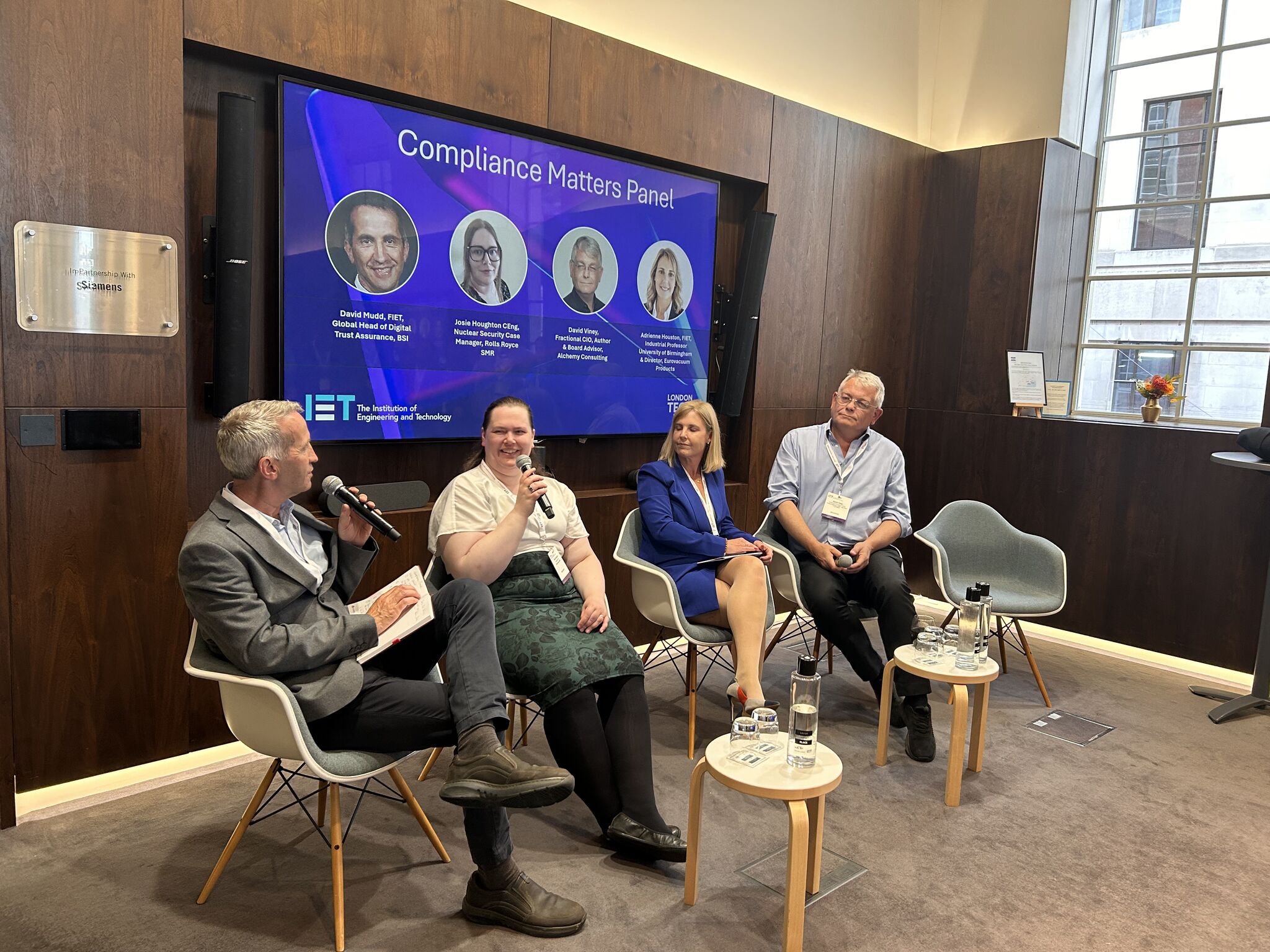
David is a rare combination of a practitioner (who has built enterprise AI at scale) and a civil society champion of digital rights. So, he can bring a balanced, independent perspective. The perfect way to round out a panel, or complete a speaker roster. Available as keynote (45 min), keynote with Q&A (60 min), panel, or fireside chat.
“David was a great panellist — his insights on compliance in emerging tech were brilliant, and his line that ‘the seatbelt didn’t kill the car’ really resonated with the room.”
— Toni Allen FCIM, Chief Engagement & Growth Officer, IET
Signature Keynotes
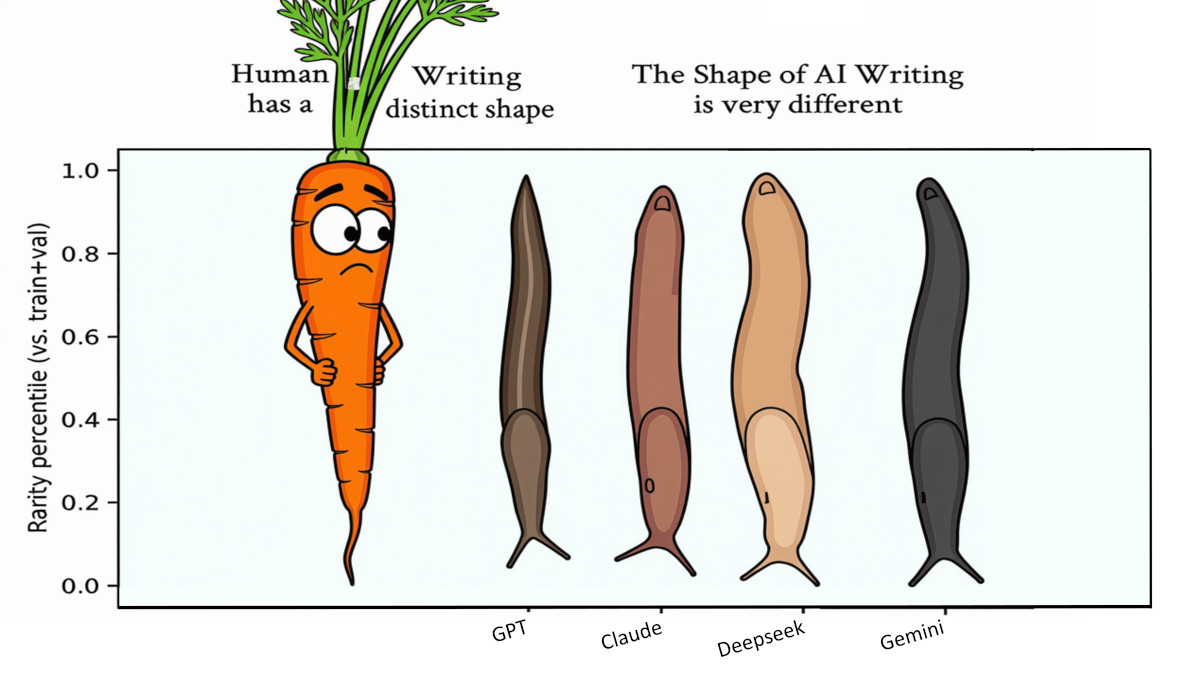
The real AI singularity is not Terminator. It is averageness, spreading like a cancer through the world of words. Human writing has shape... like a carrot... rare, irregular, surprising, unmistakably itself. AI writing is a slug: the weighted average of human creativity, optimised for the median. It eats carrots for breakfast. Breeds. Multiplies. How to spot it. How to control it. Why hallucination is a real problem. And why truth and human distinctiveness in language must be protected.
Every AI transformation goes through a J-Curve: performance dips before it rises, costs precede benefits, and the organisations that pull the plug too early — just before the inflection point — are the ones that lose. David's broadly-cited J-Curve framework identifies three novel challenges that make AI change management an order of magnitude harder than anything before it. For transformation teams, a practical toolkit. For boards and NEDs, the honest briefing they rarely get.
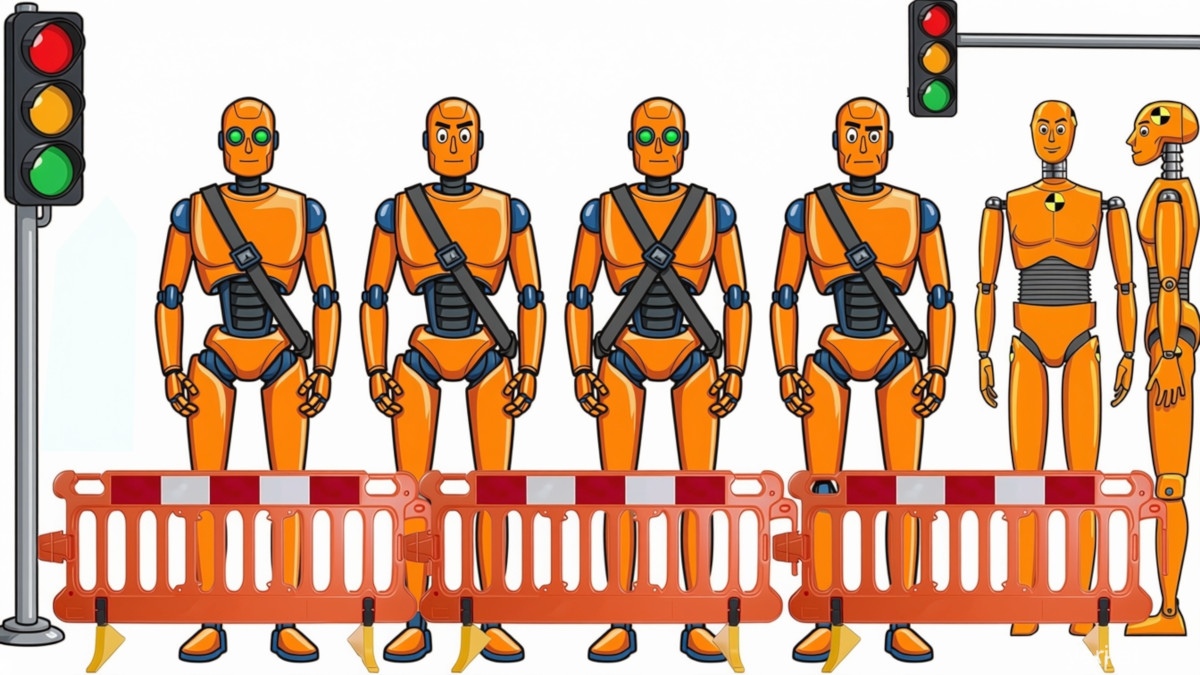
Every generation of transformative technology has faced the same argument: that safety regulation will kill innovation. The seatbelt didn't kill the car. GDPR didn't kill the internet. And AI governance, done right, will not kill AI. Drawing on direct experience building enterprise AI platforms and working with AIGAS and ISO 42001, this talk makes the practical case for governance as competitive advantage — and demolishes the false choice between innovation and accountability.
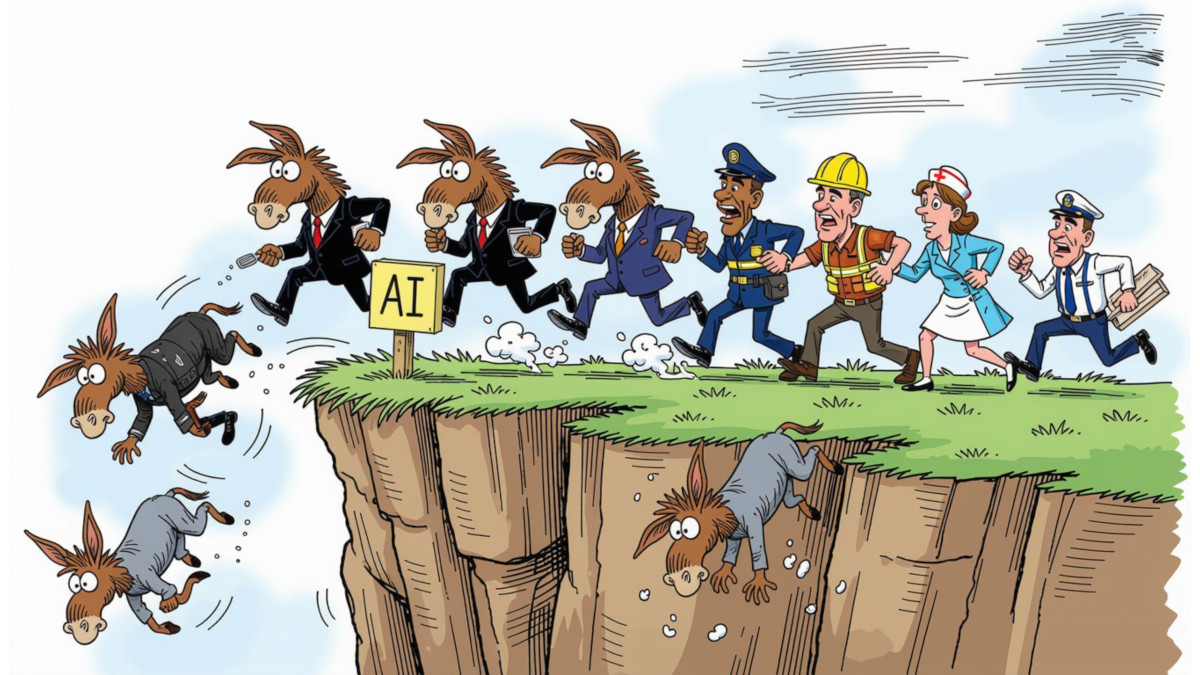
The public mood is turning. A neo-Luddite movement is rising — not because people fear technology, but because the revolution is happening to them, not for them. And the leaders running fastest toward AI adoption are often running blindly — driven by competitive anxiety rather than strategy, lemmings in good suits leading their organisations toward a cliff they haven't looked over. This is the talk that says it out loud. From a witness who was in the forest when the decisions were made.
To discuss a speaking engagement, panel, or fireside — or to request a one-page speaker profile for your event programme — please get in touch directly.